
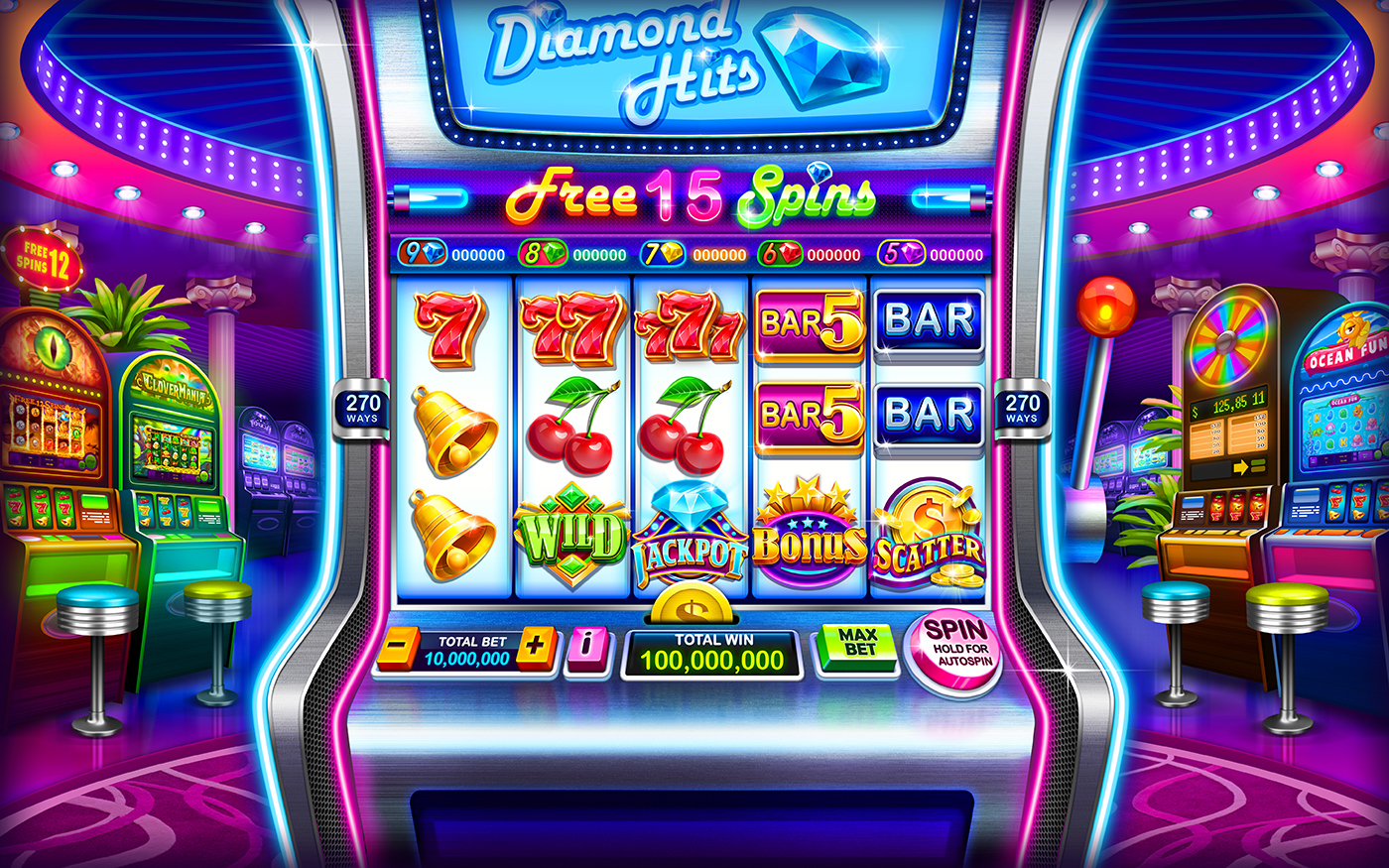
The online gambling industry is a dynamic and rapidly evolving sector, constantly reshaped by technological advancements and shifting player preferences. Understanding these trends is crucial for both operators and players alike to navigate the digital casino space successfully. Many platforms strive to offer superior experiences, and one such entity aiming for prominence is Flipau online casino. This examination delves into the broader industry insights that shape the modern online casino, providing a framework for appreciating the innovations and challenges present today.
The Rise of Mobile Gaming at Flipau Online Casino
The proliferation of smartphones and tablets has irrevocably altered the online casino landscape, making mobile accessibility a paramount concern for any operator. Players now expect seamless gaming experiences directly from their mobile devices, eschewing the need for desktop-only access. This shift necessitates responsive web design, dedicated mobile applications, and optimized game performance across various screen sizes and operating systems. The ability to deposit, play, and withdraw funds conveniently on the go has become a standard expectation, influencing the development priorities of platforms like Flipau online casino.
Consequently, game developers are increasingly focusing on creating HTML5-compatible titles that are inherently mobile-friendly. These games load quickly, adapt to different resolutions, and offer intuitive touch controls, replicating the full desktop experience in a portable format. Furthermore, the integration of mobile payment solutions, such as digital wallets and even cryptocurrency options, further enhances the convenience for mobile users. This mobile-first approach is no longer an optional extra but a fundamental requirement for retaining and attracting players in a competitive market.
Technological Innovations Shaping Online Casinos
Beyond mobile, a wave of technological advancements is continuously redefining what’s possible in online casinos. Virtual Reality (VR) and Augmented Reality (AR) are emerging as exciting frontiers, promising more immersive and interactive gaming environments. While still in their nascent stages for widespread adoption, these technologies have the potential to transport players directly into virtual casino floors, interacting with games and other players in a profoundly realistic manner. Developers are experimenting with VR blackjack, roulette, and slot machines, aiming to create experiences that blur the lines between the digital and physical worlds.
- Enhanced security protocols (e.g., blockchain for transaction transparency)
- AI-powered personalization of game recommendations and player support
- Live dealer advancements for more authentic real-time interaction
- Cross-platform compatibility for seamless transitions between devices
- Introduction of VR/AR gaming modules
Artificial Intelligence (AI) is another transformative force, being leveraged for everything from personalized player experiences to sophisticated fraud detection. AI algorithms can analyze player behavior to offer tailored game suggestions, bonus promotions, and customer support, thereby increasing engagement and satisfaction. Moreover, AI plays a critical role in maintaining the integrity of online gaming by identifying suspicious patterns and preventing fraudulent activities, ensuring a safer environment for all participants. These technological integrations are not just about novelty; they are about enhancing the core offerings of safety, fairness, and enjoyment.
The Importance of Live Dealer Experiences
Live dealer casinos have experienced a meteoric rise in popularity, offering players a bridge between the convenience of online play and the authentic atmosphere of a land-based establishment. These games are streamed in real-time from professional studios, featuring human dealers who interact with players via chat functions. The presence of a live dealer adds a layer of trust and social engagement that many players find indispensable, enhancing the overall gaming session. This trend is particularly significant for table games like blackjack, roulette, and baccarat, where the human element is a key component of the traditional experience.
| Game Type | Key Features | Player Appeal |
|---|---|---|
| Live Blackjack | Real dealers, multiple camera angles, side bets | Interactive, strategic, fast-paced |
| Live Roulette | Spinning wheel, croupier interaction, various betting options | Classic casino feel, suspenseful, social |
| Live Baccarat | Elegant presentation, fast rounds, popular side bets | Sophisticated, quick decisions, high stakes potential |
| Live Poker Variants | Dealer interaction, strategic gameplay, tournament potential | Challenging, engaging, skill-based elements |
The success of live dealer platforms hinges on high-quality streaming technology, professional and engaging dealers, and a diverse selection of popular casino games. Operators invest heavily in creating sophisticated studio environments that mimic the look and feel of premium casinos, complete with ambient lighting and sound effects. The ability for players to communicate with the dealer and sometimes even other players fosters a sense of community and makes the gaming experience far more dynamic and enjoyable than traditional RNG-based games alone. This focus on authenticity and interaction is a major driver of growth in the online casino sector.
Regulatory Landscapes and Player Trust
The online casino industry operates within a complex web of regulations that vary significantly by jurisdiction. Obtaining and maintaining licenses from reputable authorities, such as the UK Gambling Commission or the Malta Gaming Authority, is paramount for establishing credibility and ensuring fair play. These regulatory bodies impose strict rules regarding player protection, responsible gambling, data security, and the integrity of games, providing a vital framework for trust. Compliance with these regulations is non-negotiable for operators seeking legitimacy and long-term success in the market.
Building and maintaining player trust is an ongoing effort that goes beyond mere regulatory compliance. Transparency in terms and conditions, clear communication about game fairness (often verified by independent auditors), and robust security measures to protect personal and financial data are essential. Operators must also demonstrate a strong commitment to responsible gambling, providing tools and resources to help players manage their gaming habits. A proactive approach to player well-being and security solidifies a brand’s reputation and fosters loyalty among its customer base.
The Future of Online Casino Entertainment
Looking ahead, the trajectory of online casino entertainment points towards even greater personalization, immersion, and integration with emerging technologies. We can anticipate more sophisticated AI applications that tailor every aspect of the player journey, from game selection to bonus offers and even customer support interactions. The potential for blockchain technology to enhance transparency and security in transactions and game outcomes is also a significant area of development that could reshape player confidence.
Furthermore, the line between online and offline gaming experiences may continue to blur. Innovations like hybrid casino models, which combine online play with physical venues, or even more advanced VR/AR applications, could offer entirely new forms of engagement. The industry’s ability to adapt to evolving player expectations, embrace technological advancements, and maintain a strong focus on responsible operations will ultimately define its future success and its capacity to provide thrilling, secure, and engaging entertainment for a global audience.